


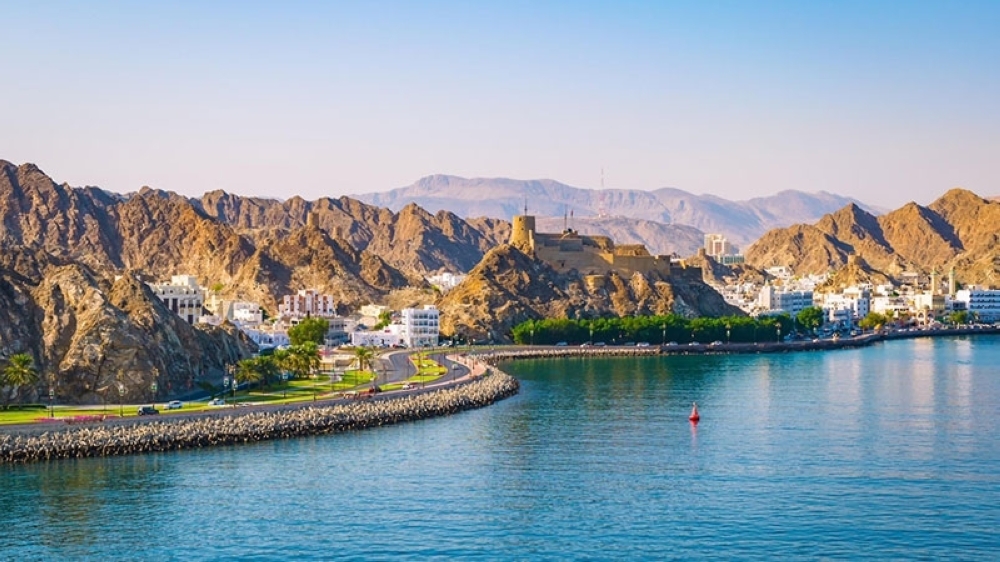





In recent weeks, social media feeds and travel forums have taken on a distinctly urgent tone. The questions arrive in waves, often stripped to their essentials: “Is it possible to get from Dubai to Oman?” “How do I reach Muscat Airport?” “Anyone driving Dubai to Muscat tonight?” “Can I share a ride?” Beneath each query lies a quiet anxiety, travellers caught in unfamiliar terrain, navigating disrupted routes, closed airspaces, or sudden changes to regional mobility.
What has emerged in response is not merely a market adjustment, but a grassroots network of small and medium tour operators in Muscat stepping into roles far beyond conventional tourism. These operators, often family-run, agile and deeply local, are now facilitating critical movement for stranded visitors and uncertain travellers attempting to chart a way home.
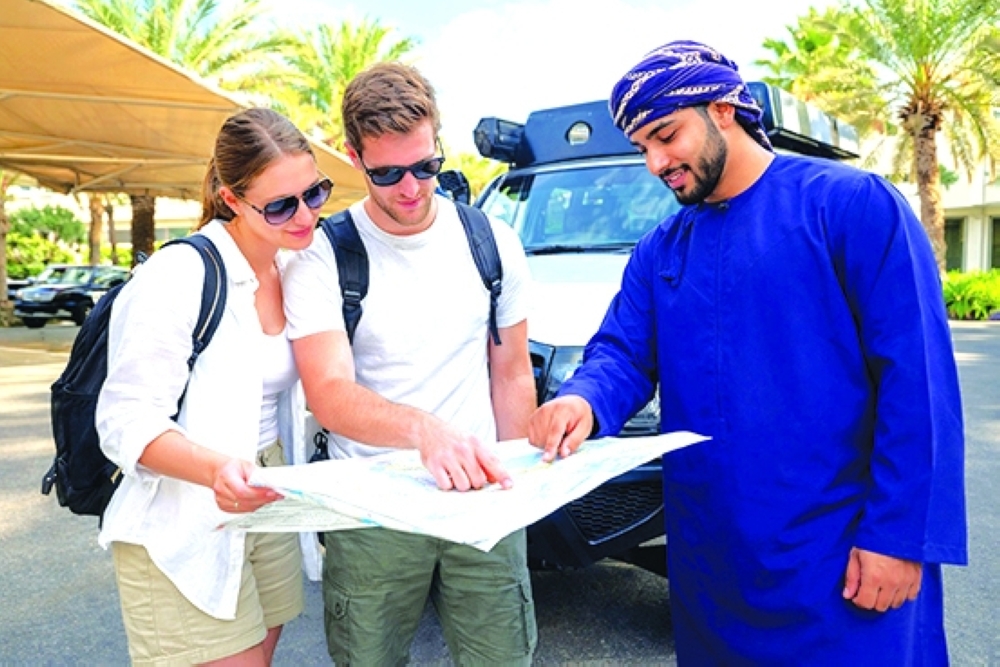
Across Facebook groups, WhatsApp threads and travel forums, requests for transport have become near constant. One Dubai-based travel agency recently posted a call for partnerships, seeking “licensed travel agencies in Oman” capable of handling border-to-airport transfers, emphasising the need for “professional, safe and reliable service for tourists.” Elsewhere, travellers coordinate ad hoc carpools, splitting the cost of private drivers for overnight journeys to catch early morning flights out of Muscat.
In this shifting landscape, operators like Marhaba Oman Tours have found themselves at the intersection of service and support. Known previously for curated cultural experiences, from pottery sessions and farm-to-table dining with Omani families to seasonal rose harvesting in Al Jabal Al Akhdhar, the company has adapted swiftly. While continuing to offer immersive local experiences, it has also responded to a surge in logistical needs, assisting travellers with transport coordination and on-the-ground guidance.
“We can offer you a unique local experience”, the company notes in its outreach, but increasingly, that “experience” now includes helping visitors navigate uncertainty — whether that means arranging transport, advising on routes, or simply providing reassurance in an unfamiliar environment.
Alongside them, independent operators such as Ahmed al Habsi, who has been actively promoting transport services between Oman and the UAE, are playing a similarly vital role. His offering is direct and practical: “Available transportation from Oman to UAE and vice versa... offering safe travel with experienced drivers, ensuring a comfortable and reliable journey throughout the trip”.
In another context, such services might be considered routine. Today, they are anything but.
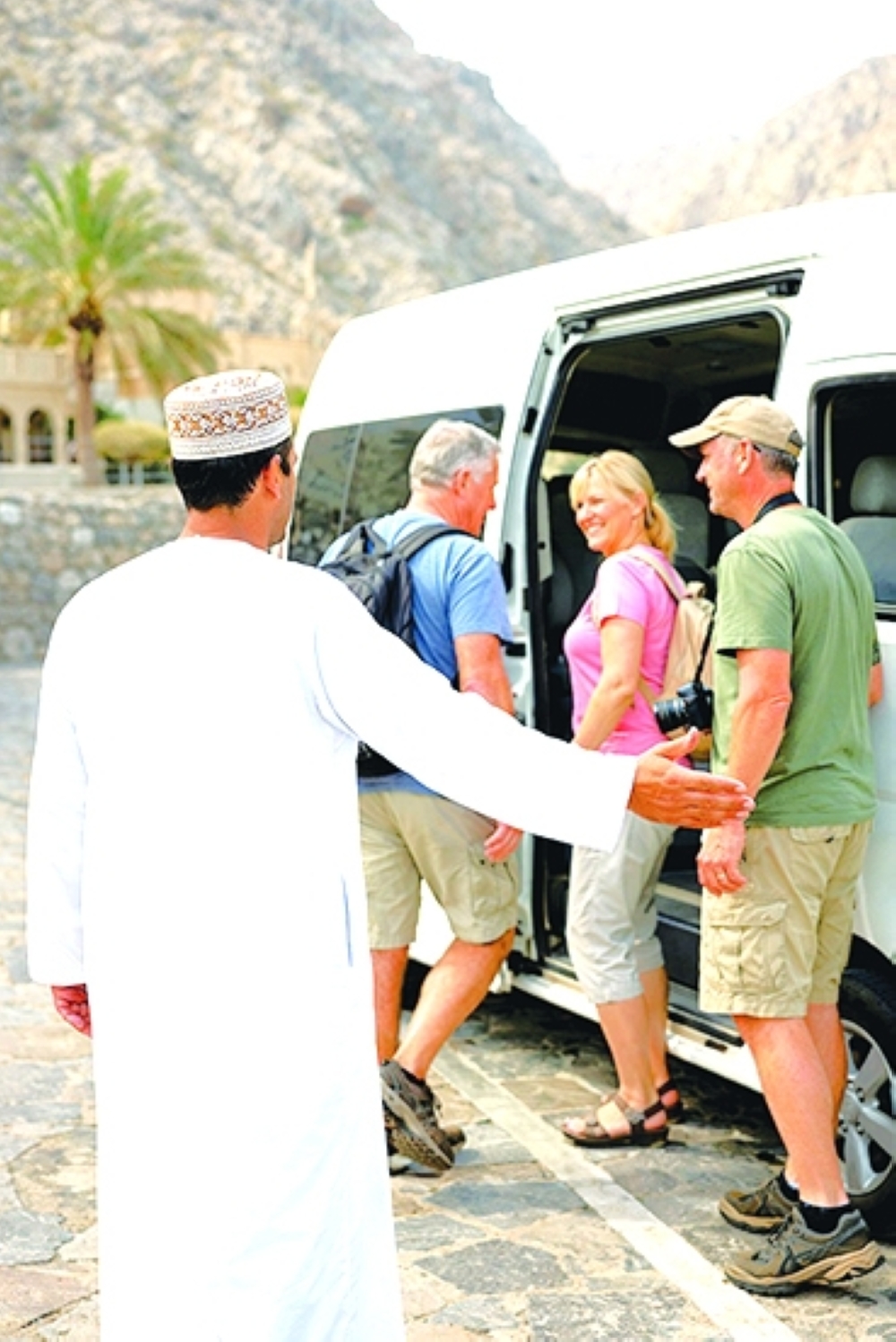
For many travellers, particularly those unfamiliar with Oman’s geography or transport systems, these operators provide more than mobility, they offer clarity. The journey from the Oman border to Muscat International Airport, for instance, can be daunting without local knowledge. Timings, checkpoints, documentation and road conditions all require a level of familiarity that most visitors simply do not possess.
This is where Muscat’s smaller operators excel. Unlike larger, more rigid travel infrastructures, they operate with a degree of flexibility that allows them to respond in real time, coordinating last-minute pickups, adjusting routes and even facilitating shared rides among strangers bound by similar urgency.
There is, undeniably, a commercial dimension to this. Increased demand has created new revenue streams for operators who might otherwise rely on seasonal tourism. Yet to frame this solely as opportunism would miss the broader picture. What is unfolding is a form of informal resilience, a locally driven response to regional disruption, where business and humanitarian instinct converge.
In many ways, these operators are acting as cultural intermediaries as much as logistical ones. They are the first point of contact for travellers seeking reassurance, the translators of local systems and, increasingly, the quiet architects of safe passage.
As one traveller posted while searching for a ride to Muscat for a 2 am flight, “Happy to split costs”. It is a simple line, but it captures the moment, a collective improvisation, where strangers, drivers and small operators come together to navigate uncertainty.
And in that space, Muscat’s tour operators are not just moving people. They are holding the line between confusion and continuity.

Oman Observer is now on the WhatsApp channel. Click here


